Lidar technology
Lidar: definition, operation, comparison Lidar 2D vs Lidar 3D, applications…

If the definition of this ‘smart’ or ‘ingenious’ city evolves over the years, it generally encompasses today the idea of a city that is part of an innovative approach, serving the quality of life of its inhabitants and users, and aiming to optimize and sustainably develop all facets of the urban area and its resources.
In this vision of an evolving urban ecosystem, the technological dimension of innovation plays a key role. Air quality monitoring, noise mapping, energy management, monitoring, protection or preventive maintenance systems, autonomous vehicles, etc. : driven by use, applications of the ‘smart city’ thus appear in countless forms and data, from their capture to their analysis and exploitation, through their cross-over and sharing, are at the heart of systems.
Wanting to make the city smarter is not, at heart, a new concept. But what accelerates the process today and opens up new fields of experimentation and action, are digital technologies and specialized sensors of new generation (GNSS receivers, inertial units, 3D lidar…).
The “smart city” thus links all its components – organization, economy, resources, environment, mobility, housing, etc. – to better manage them and improve the services provided to the community. A key topic in full effervescence, and a vision of the ‘smart city’ far from being fixed, as it questions, very widely, the future of the city and its citizens. And this in a context of growing urbanization of the planet, where, according to forecasts, 70% of the inhabitants will live in cities by 2040.

Lidar: definition, operation, comparison Lidar 2D vs Lidar 3D, applications…

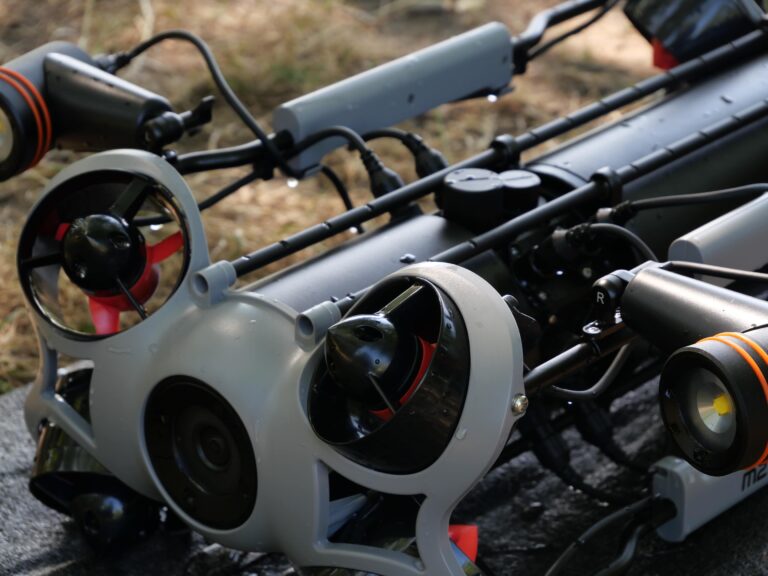
CADDEN becomes an official distributor of CHASING ROVs in France.
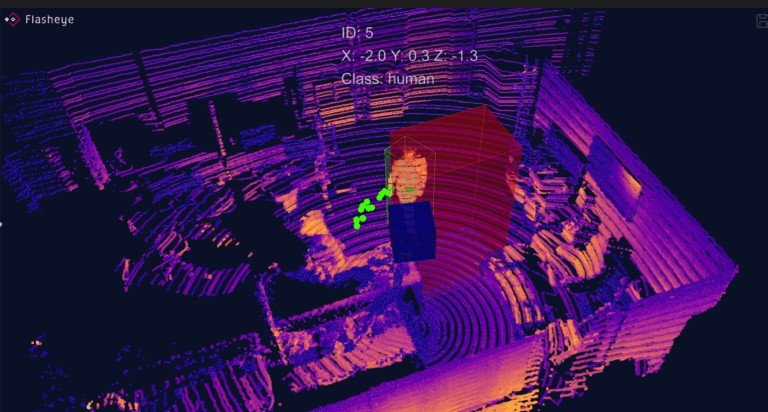
CADDEN announce becoming the official distributor of Flasheye in France.